Training on the Use of Artificial Intelligence in Scientific Research
Abstract
Venue: ISTM NYANKUNDE / WOOD Campus. Facilitator: Professor Elias SEMAJERI LADISLAS
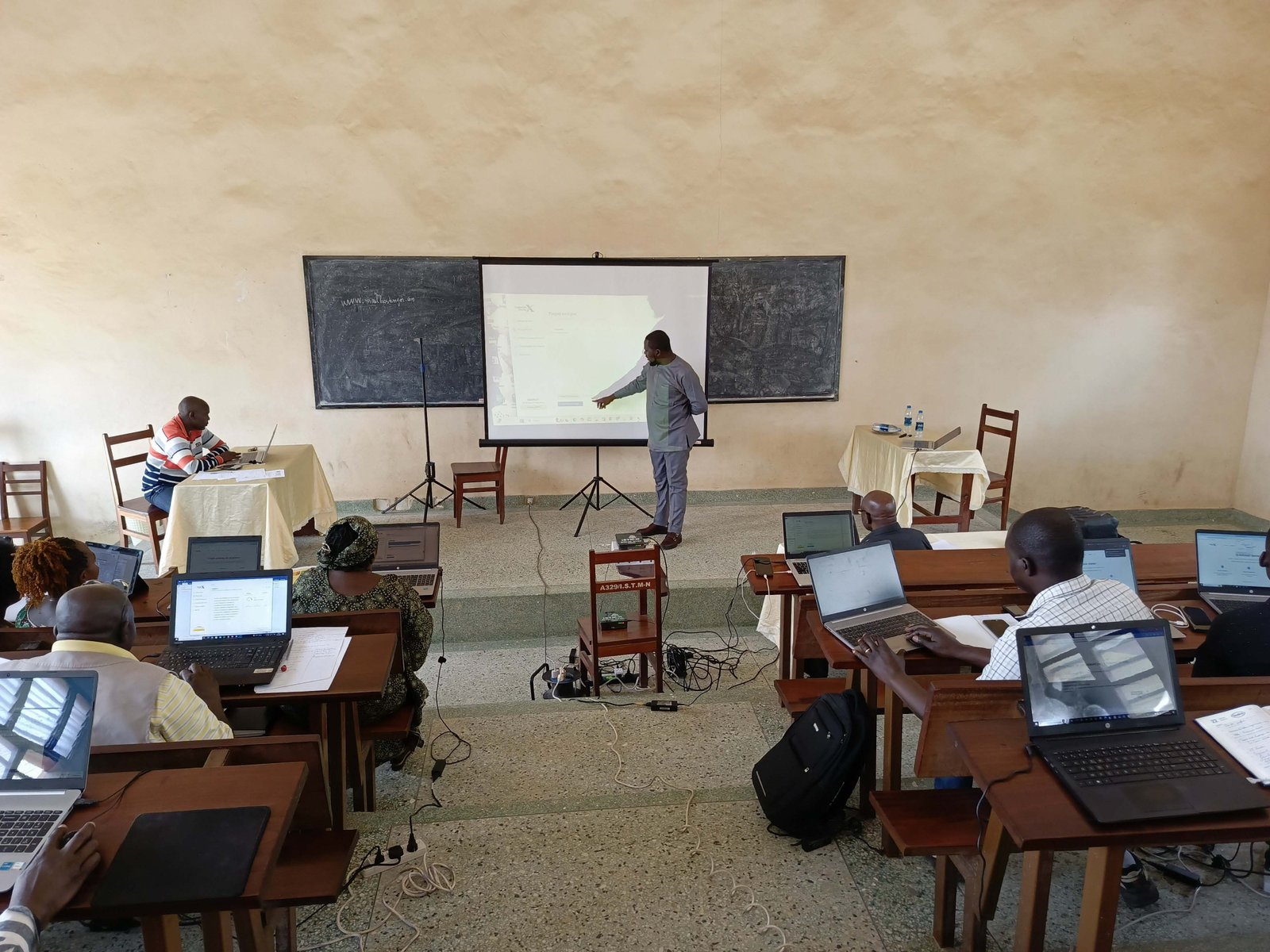
On February 21, 2025, an important training session was held at the Nyankunde Higher Institute of Medical Techniques (ISTM Nyankunde). The theme of the session was “The Use of Artificial Intelligence (AI) in Scientific Research.” As artificial intelligence becomes increasingly relevant in academic and scientific environments, it provides researchers with powerful tools to improve the quality, productivity, and efficiency of their work.
The training was facilitated by Professor Elias SEMAJERI LADISLAS, an expert in the field. His presentation enabled participants to explore how artificial intelligence can transform the way they conduct research, analyze data, organize information, and prepare scientific publications.
AI Tools Covered During the Training
1. QuillBot
QuillBot is an AI-powered writing and paraphrasing tool. It can help users reformulate text while preserving its original meaning. For researchers, it can support the improvement of scientific writing, the reformulation of ideas, and the clarification of complex passages. When used responsibly, it can contribute to clearer and more effective academic writing.
2. Plagiarism Checker
Originality is a fundamental requirement in scientific research. Plagiarism-checking tools can help identify similarities between a manuscript and existing online or published sources. They enable researchers to review their work, ensure appropriate citation of sources, and promote compliance with academic and research ethics.
3. Gamma.app
Gamma.app is an AI-powered tool that can assist users in organizing and presenting information. It can facilitate the creation of structured presentations, reports, and visual content, enabling researchers to communicate their findings more clearly and effectively.
4. ChatGPT
ChatGPT, developed by OpenAI, is an artificial intelligence system capable of assisting users with questions, brainstorming, writing, summarization, and the exploration of complex concepts. In scientific research, it can support researchers in developing ideas, understanding concepts, summarizing information, improving the structure of documents, and refining scientific writing.
AI-generated information, however, should always be critically evaluated and verified against reliable scientific sources before being incorporated into academic work.
Objectives of the Training
The main objective of the training was to equip ISTM Nyankunde staff with the knowledge and practical skills required to use artificial intelligence tools effectively and responsibly in scientific research.
These technologies can provide significant benefits in information management, academic writing, scientific communication, and research productivity. Their appropriate use can help researchers work more efficiently while maintaining the quality and integrity of their scientific publications.
Participants learned not only how to use the various tools presented during the session, but also how to understand their functions and apply good practices when integrating AI into academic and scientific activities.
The training therefore strengthened participants’ understanding of emerging technologies and their potential contribution to improving research processes while maintaining compliance with academic and ethical standards.
Conclusion
The training provided ISTM Nyankunde staff with an opportunity to broaden their knowledge and skills in scientific research. Through the responsible use of modern AI tools, participants are better equipped to improve scientific writing, organize and analyze information, and communicate research findings more effectively.
This initiative represents an important step toward integrating emerging technologies into academic and scientific research at ISTM Nyankunde, thereby contributing to continuous improvement in health sciences education, research, and innovation.